Chemical Analysis in Qassim
Comprehensive chemical analysis for drinking water, wastewater, groundwater, and irrigation water, plus agricultural soil and aggregate — pH, turbidity, total hardness, calcium, magnesium, sulfates, chlorides, and TDS.
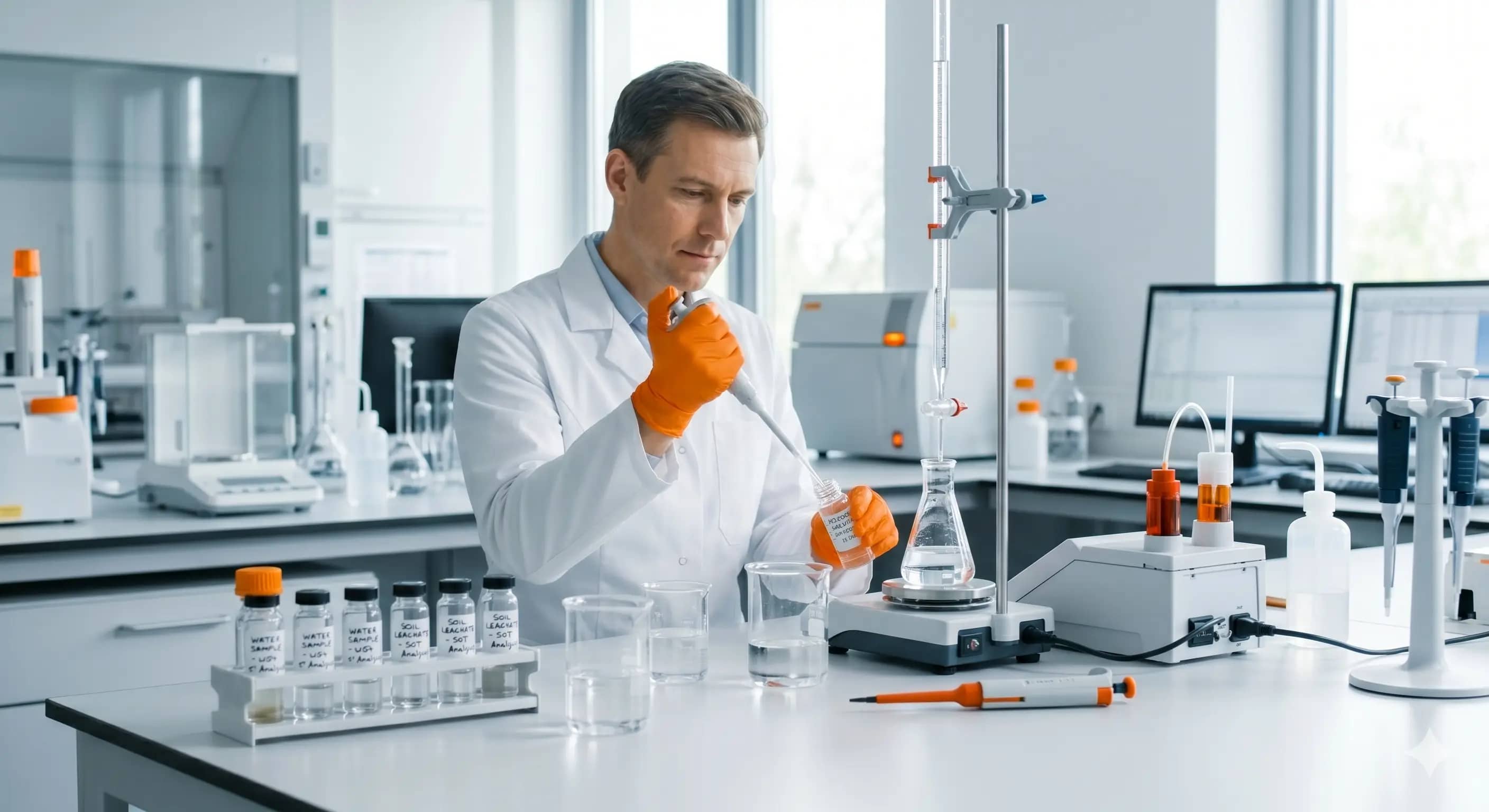
Chemical analysis of soil and water is a laboratory test measuring pH, chlorides, sulfates, and total dissolved solids (TDS) to determine a site's aggressiveness toward concrete and rebar. Performed by an accredited lab per ASTM and Saudi Building Code SBC 303, it determines the required cement type and protection before foundation work in areas with saline soil or groundwater.
What Is Chemical Analysis of Soil and Water and Why Does It Matter Before Foundation Work?
Chemical analysis is a laboratory test measuring the content of salts and chemical compounds in soil, water, or aggregate that affect construction materials. It includes pH measurement, chloride content that accelerates rebar corrosion, and sulfate content that reacts with cement, causing concrete expansion and deterioration over time.
Undetected aggressive soil can destroy a building's foundation from within with no visible signs for years. Early detection of high sulfate or chloride levels allows the engineer to select resistant cement or apply appropriate waterproofing before pouring — rather than remediating damage after it appears.
As a laboratory accredited to ISO/IEC 17025:2017 (SAAC accreditation No. N-T-00645) and approved by MODON, Asas Lab performs chemical analysis of soil, water, and aggregate in Makkah, Jeddah, Madinah, Riyadh, and Qassim, issuing certified reports that support structural design decisions.
Detecting soil aggressiveness before foundation work
Selecting the right sulfate-resistant cement
Protecting rebar from early corrosion
SBC 303 requirements compliance
Full List of Certified Tests
11 certified tests per international standards
Chemical analysis — Water & Soil (pH, Chlorides, Sulfates, TDS)
التحليل الكيميائي للمياه والتربة (pH، كلوريدات، كبريتات، TDS)
Chemically analyzes water and soil samples for pH, chlorides, sulfates, and total dissolved solids (TDS) — determines site aggressiveness toward concrete and rebar.
Unit: sample
Chemical analysis — Aggregate (pH, Chlorides, Sulfates, TDS)
التحليل الكيميائي للركام (pH، كلوريدات، كبريتات، TDS)
Chemically analyzes aggregate for chlorides, sulfates and dissolved salts — verifies the aggregate is free of contaminants that could weaken concrete bonding or accelerate rebar corrosion.
Unit: sample
Turbidity Measurement
قياس العكارة (Turbidity)
Measures water turbidity (drinking water, sewage, groundwater) — a key indicator of water clarity and suitability for household and hotel use.
Unit: NTU
Total Hardness
العسرة الكلية (Total Hardness)
Measures total water hardness from calcium and magnesium salts — relevant for drinking water, hotel use (boilers and plumbing), and agricultural irrigation water.
Unit: mg/L CaCO₃
Calcium
الكالسيوم (Calcium)
Measures dissolved calcium concentration in water — a component of total hardness and an important indicator for drinking and irrigation water.
Unit: mg/L
Magnesium
المغنيسيوم (Magnesium)
Measures dissolved magnesium concentration in water — used with calcium to determine total hardness and assess water suitability for drinking and irrigation.
Unit: mg/L
Electrical Conductivity (EC)
التوصيل الكهربائي (EC)
Measures water electrical conductivity to assess dissolved salts alongside TDS — high salt levels cause a salty taste, clog shower heads, and attack stainless-steel water heaters.
Unit: µS/cm
Alkalinity
القلوية (Alkalinity)
Measures water's capacity to resist acidity and protect plumbing and heaters from corrosion — below 50 ppm is highly aggressive and may corrode copper and iron or turn water yellow or blue, 80–150 ppm is ideal for stable pH at 7–8, and above 300 ppm causes heavy white scale in building and hotel heaters and boilers.
Unit: mg/L CaCO₃
Free Residual Chlorine
الكلور الحر المتبقي
Measures free residual chlorine to verify water disinfection — 0 ppm means no disinfection and a Legionella risk in shower steam and heaters, 0.2–0.5 ppm is ideal without odor, and above 1 ppm causes a strong pool smell, eye and skin irritation, and bleaches clothing.
Unit: mg/L
Iron
الحديد (Iron)
Measures iron concentration in water — helps diagnose yellow water and brown stains on white towels in homes and hotels.
Unit: mg/L
Manganese
المنغنيز (Manganese)
Measures manganese concentration in water — helps diagnose black stains in bathtubs across residential and building water systems.
Unit: mg/L
Chemical Analysis of Soil and Water in Qassim — Agricultural Legacy and Construction Chemistry
Qassim's long agricultural history creates unique soil chemistry: decades of irrigation have mobilized and redistributed minerals and salts to deeper layers in converted farm-to-construction sites. ASAS Lab provides sulfate and chloride concentration analysis for BS 8500 aggressiveness classification, electrical conductivity as a total dissolved solids indicator, and nitrate analysis for former agricultural sites with chemical fertilizer history. Detailed recommendations for concrete specification and cement type selection are included with each report.
Adopted Engineering Standards
All chemical analyses are performed to adopted Saudi and international standards
ASTM C114
The American standard for chemical analysis of aggregate and water
SBC
The Saudi Building Code for soil and water aggressiveness
SASO
Saudi Standards, Metrology and Quality Organization
ISO 17025
International laboratory accreditation for competence and accuracy
How Does the Chemical Analysis Process Work?
From sample collection to the site aggressiveness report
Contact and Sample Type Definition
We receive your request and define the required sample type — soil, water, or aggregate — based on the project stage. We send the quotation within 24 hours.
Site Sample Collection
Our team visits the site to collect representative samples of soil, groundwater, or aggregate using the standard method and required depth.
Laboratory Analysis
Samples are analyzed in our accredited laboratories per ISO 17025 to measure pH, chlorides, sulfates, and total dissolved solids with high accuracy.
Aggressiveness Report Delivery
You receive an engineering-certified report showing the site's aggressiveness level and recommending appropriate cement type or protection — ready for the design engineer.
Why ASAS Lab?
Approved by MODON, ACI, NRRC & KIDANA
Over 500 completed projects across KSA
Makkah, Jeddah, Madinah, Riyadh, Qassim
Soil and water aggressiveness is a hidden threat — early detection is far cheaper than later repair
Engineering-certified reports accepted by consultants and government authorities
Chemical analysis equipment calibrated periodically per ISO 17025
5 branches in Makkah, Jeddah, Madinah, Riyadh and Qassim
Fast execution and result delivery
A specialized engineering team to interpret aggressiveness levels
15+ years and 500+ projects across coastal and inland areas of the Kingdom
What Does the Chemical Analysis Report Include?
The chemical analysis report is the reference the engineer relies on to select cement type and protection
Sample pH value
Chloride and sulfate percentages
Total dissolved solids (TDS)
Site aggressiveness classification
Recommendation for suitable sulfate-resistant cement
Recommendation for waterproofing or additional protection layers
Equipment used for this service
FAQ About Chemical Analysis
Aggressive soil rich in sulfates or chlorides reacts with cement and steel, causing early structural deterioration. SBC 303 mandates chemical analysis in areas with saline soil or near brackish groundwater.
Asas Lab Branch in Qassim
Our field team operates from our بريدة branch, covering all districts of Qassim and nearby areas with calibrated, certified equipment — reports are certified and accepted by government authorities.
Other Services You May Need
Explore the rest of our accredited engineering tests in one place
Soil
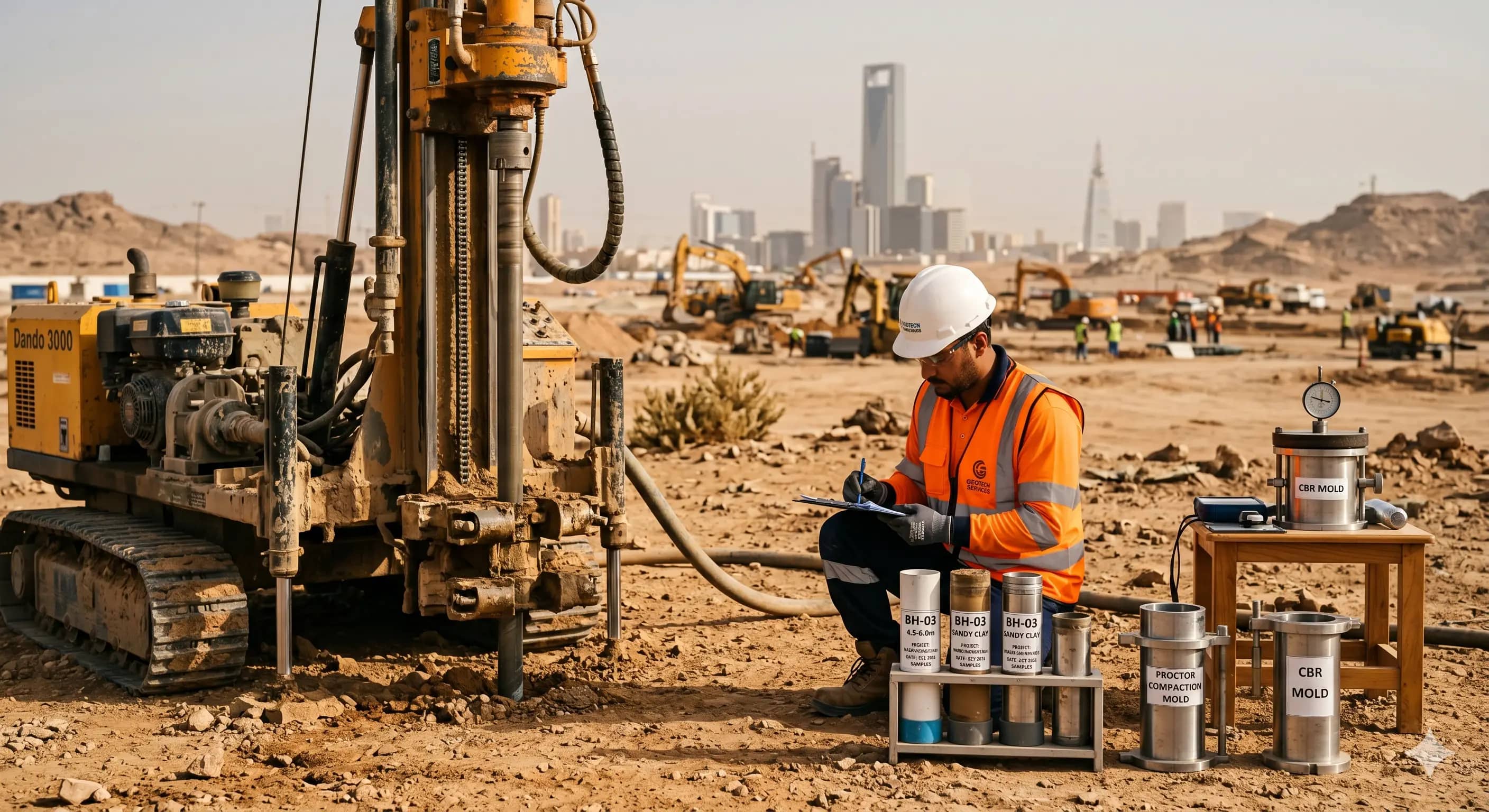
Soil Testing
Pre-construction soil testing per Saudi Building Code SBC 303 and international ASTM standards — protecting your project's foundations from settlement and cracking risks.
Concrete
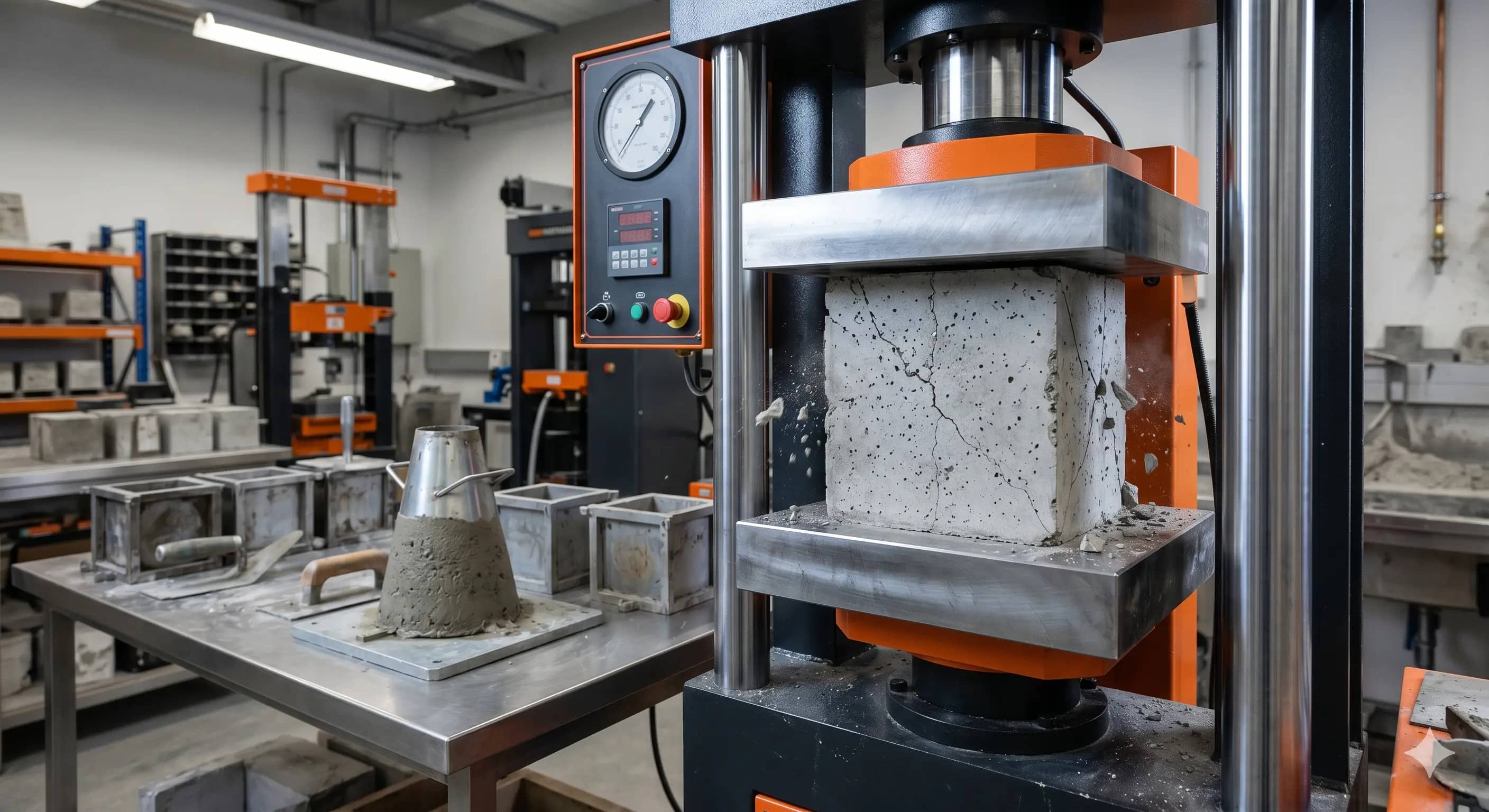
Concrete Testing
Certified fresh and hardened concrete testing — pour supervision, compressive strength, core sampling, concrete durability per ASTM and SASO 1452.
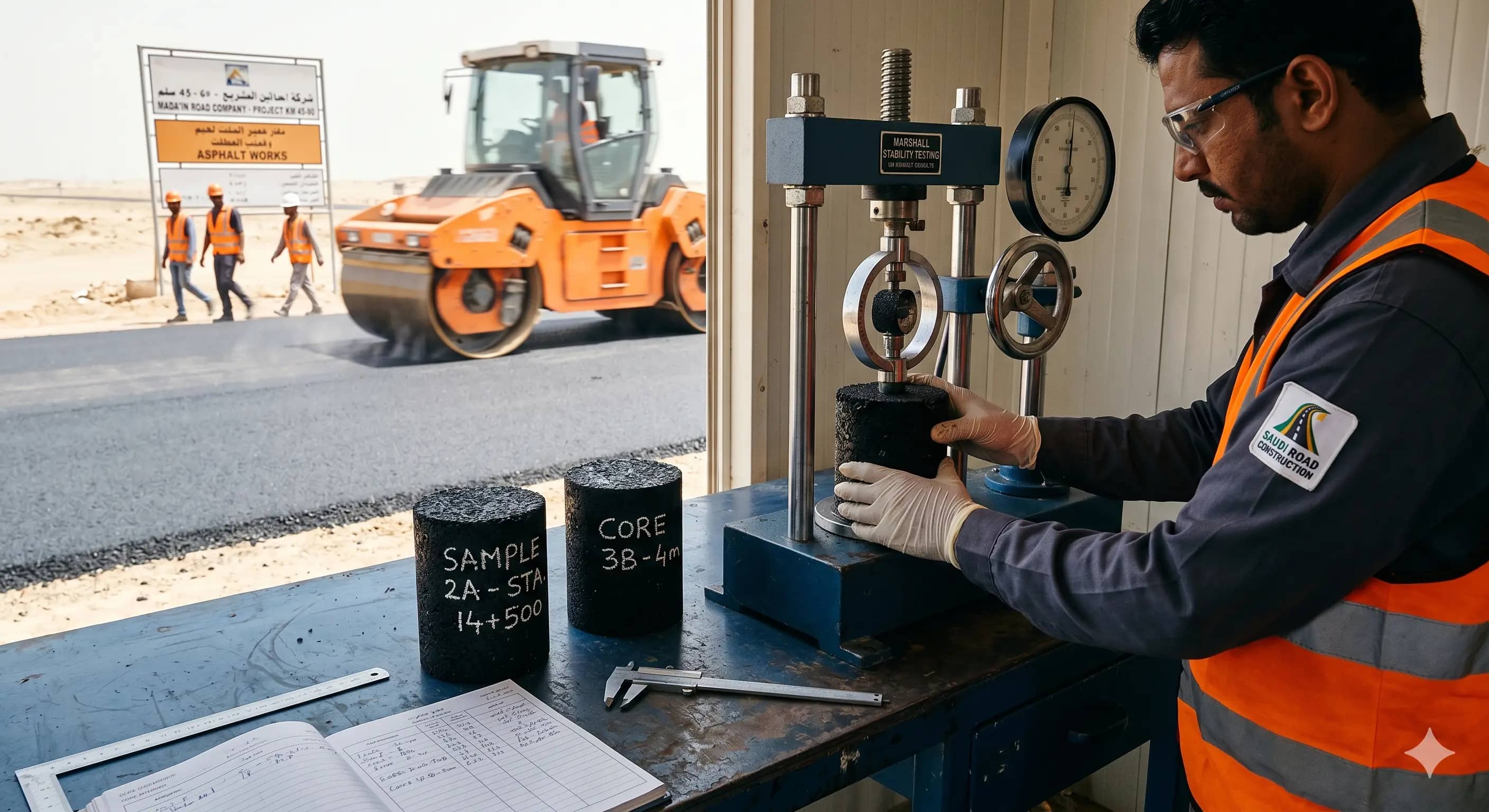
Asphalt
Asphalt Testing
Lab and field asphalt testing — Marshall stability, bitumen content, gradation, asphalt core per ASTM D6926 & D2172 to ensure pavement layer quality.
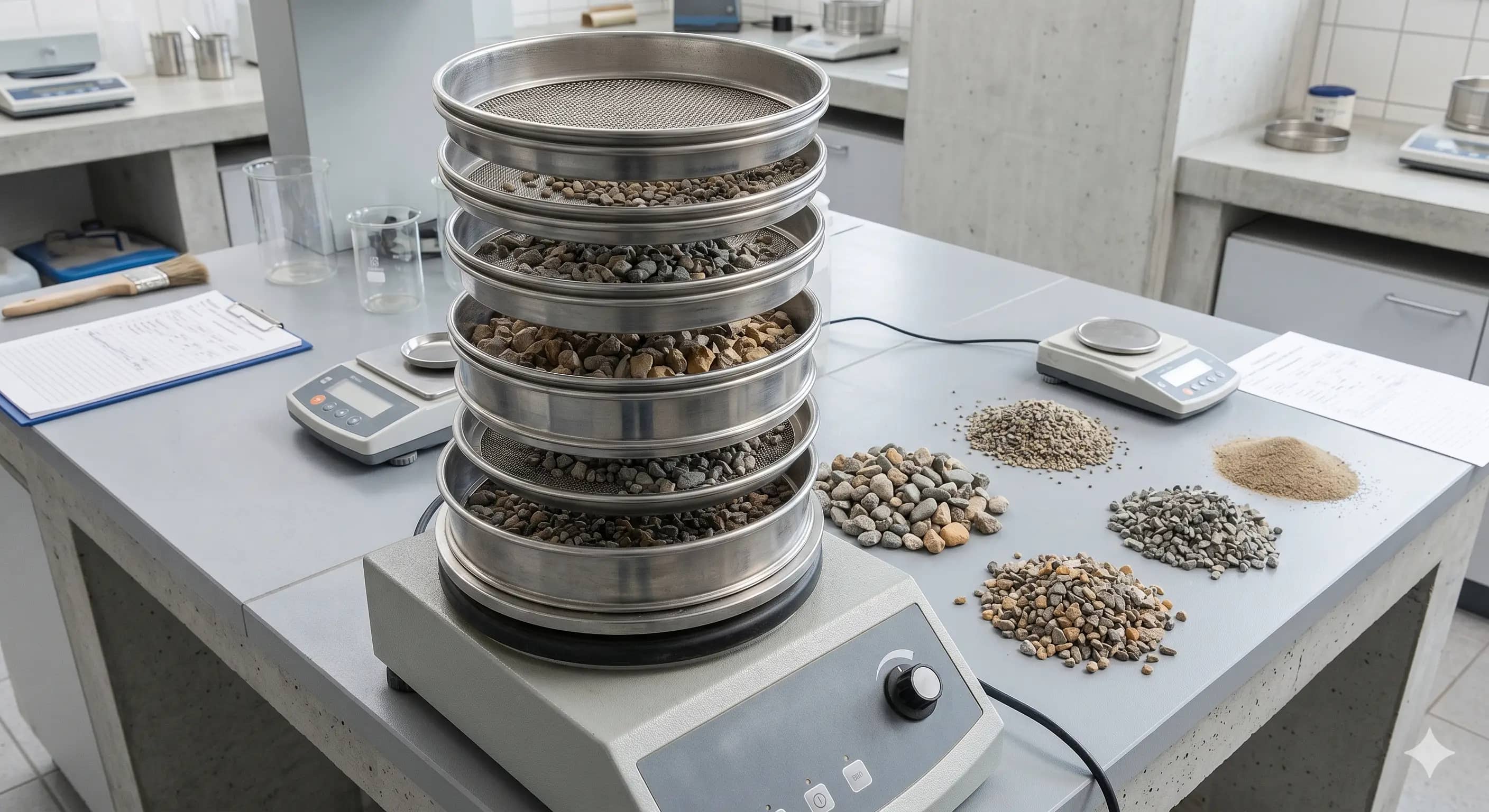
Aggregate
Aggregate Testing
Laboratory aggregate testing including gradation, abrasion resistance, specific gravity, and soundness — per ASTM C131 and C136 to verify aggregate compliance for concrete and asphalt mixes.
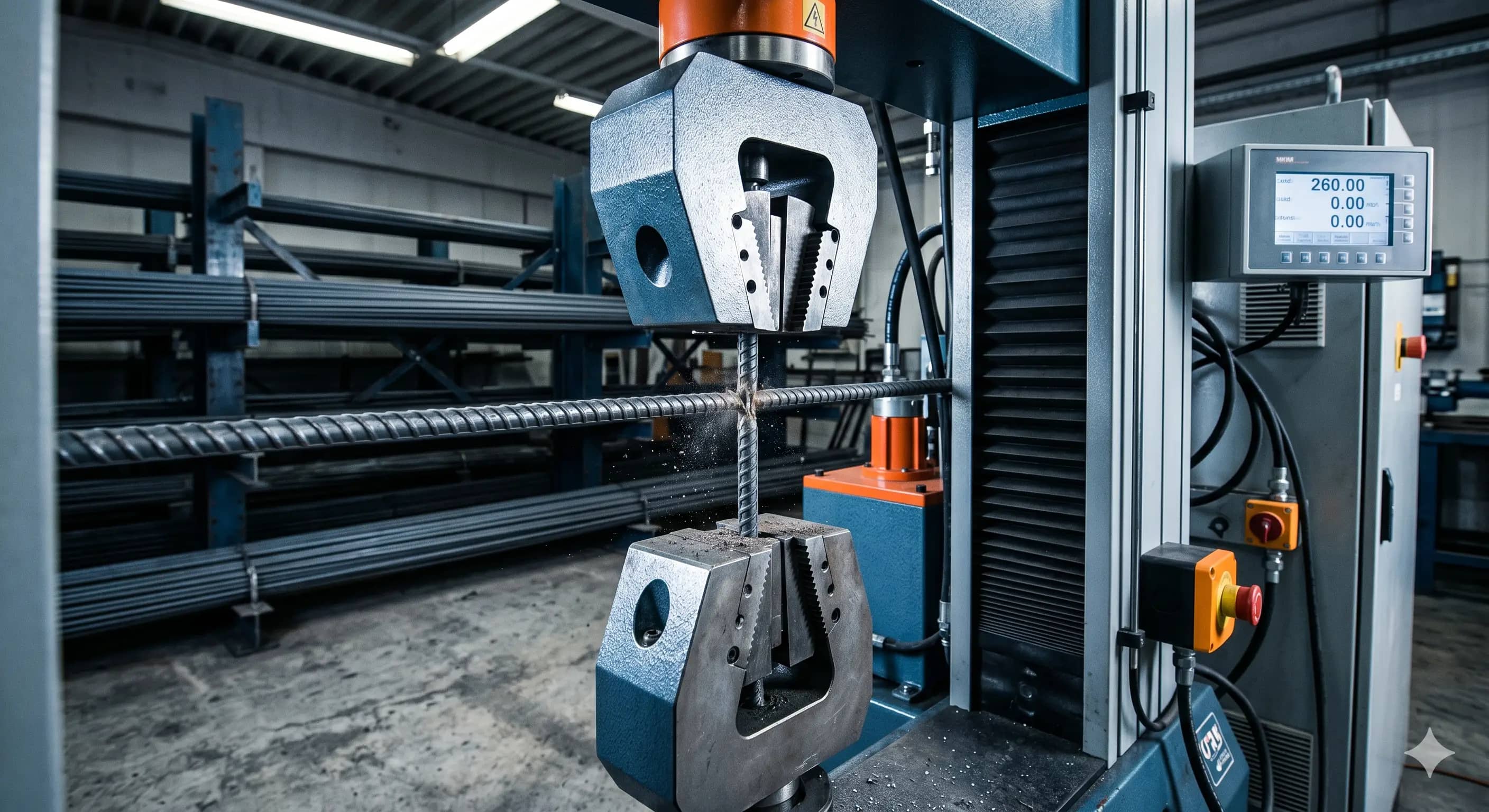
Rebar
Rebar & Steel Testing
Mechanical and chemical testing for rebar and anchor bolts — tensile, yield, elongation, bend, and chemical analysis per ASTM A615 and SASO 2510 to verify steel compliance.
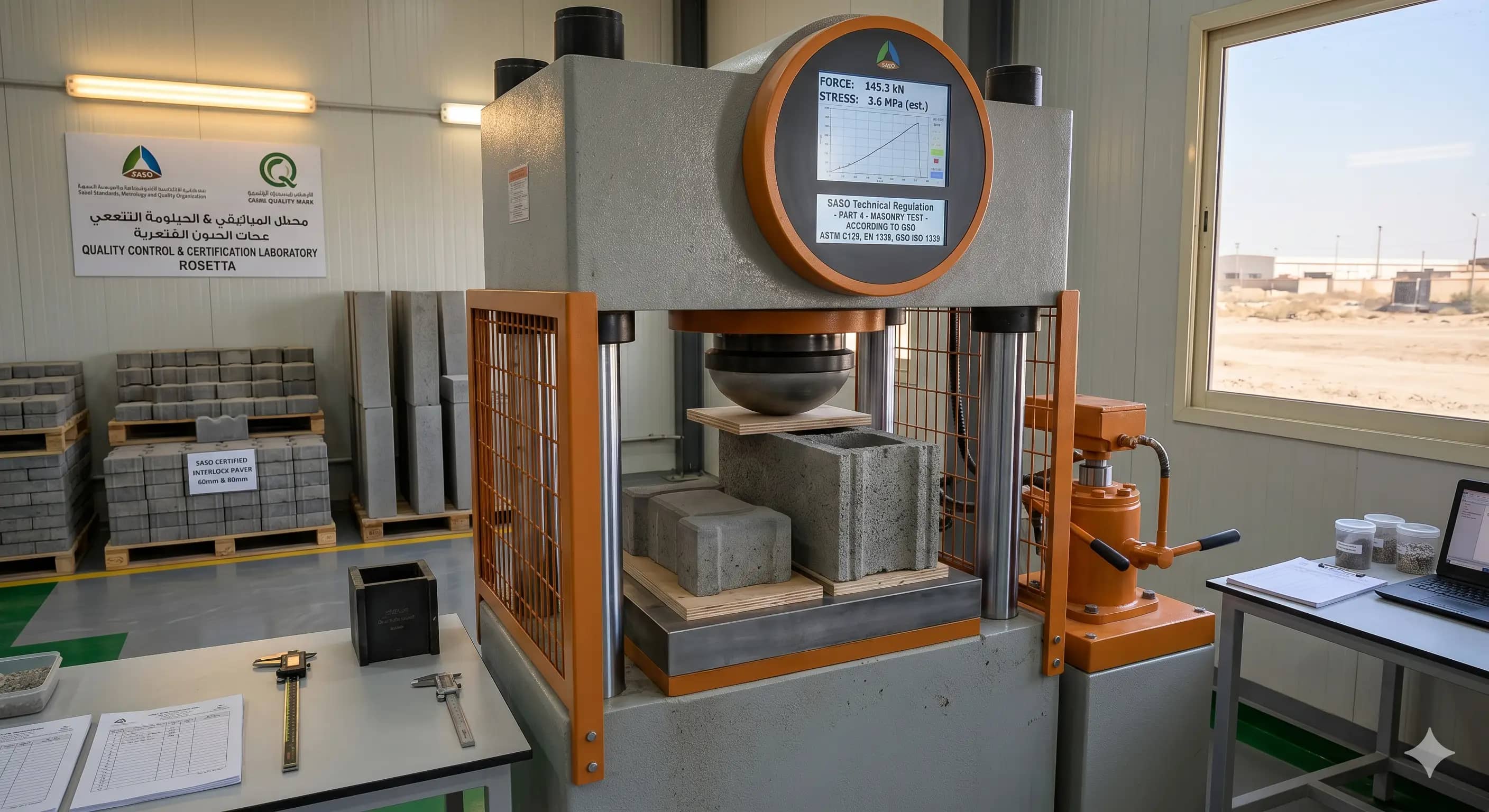
Blocks
Blocks, Interlock & Curbstones Testing
Compressive strength, water absorption, and dimensional testing for concrete blocks, interlock, and curbstones per ASTM C880 and C99 to verify paving material compliance.
Need Chemical Analysis for Your Site?
Our engineering team is ready to collect samples, with an accurate quotation within 24 hours — chemical analysis available in 5 cities across the Kingdom
Makkah — Jeddah — Madinah — Riyadh — Qassim